
SERM-GC
Self Energised Remote Mini Gathering Centre
The SERM-GC is a complete gathering centre in miniature, about the size of a load truck. It is designed to separate oil, gas and water at each well.
GLOBAL GRID ALPHA CORPORATION
PRESENTS
THE ART OF OIL AND GAS INNOVATION
Lighter in cost. Easier to run. Safer for people. Kinder to the land. A new way of doing business — built together, shared together.
For over a century, oil has travelled to the factory. THE OIL GRID is designed to move the factory to the oil.
It is a patented, decentralised, modular production system. A sealed, self-energised unit is designed to sit at each well. A buried ring is designed to join the units. Artificial intelligence (AI) is designed to run the field.
The central gathering centre, the tank farm, the flare system and the central power plant are designed out.
THE OIL GRID has four subsystems, each a new combination of equipment the industry already knows and trusts.
Self Energised Remote Mini Gathering Centre
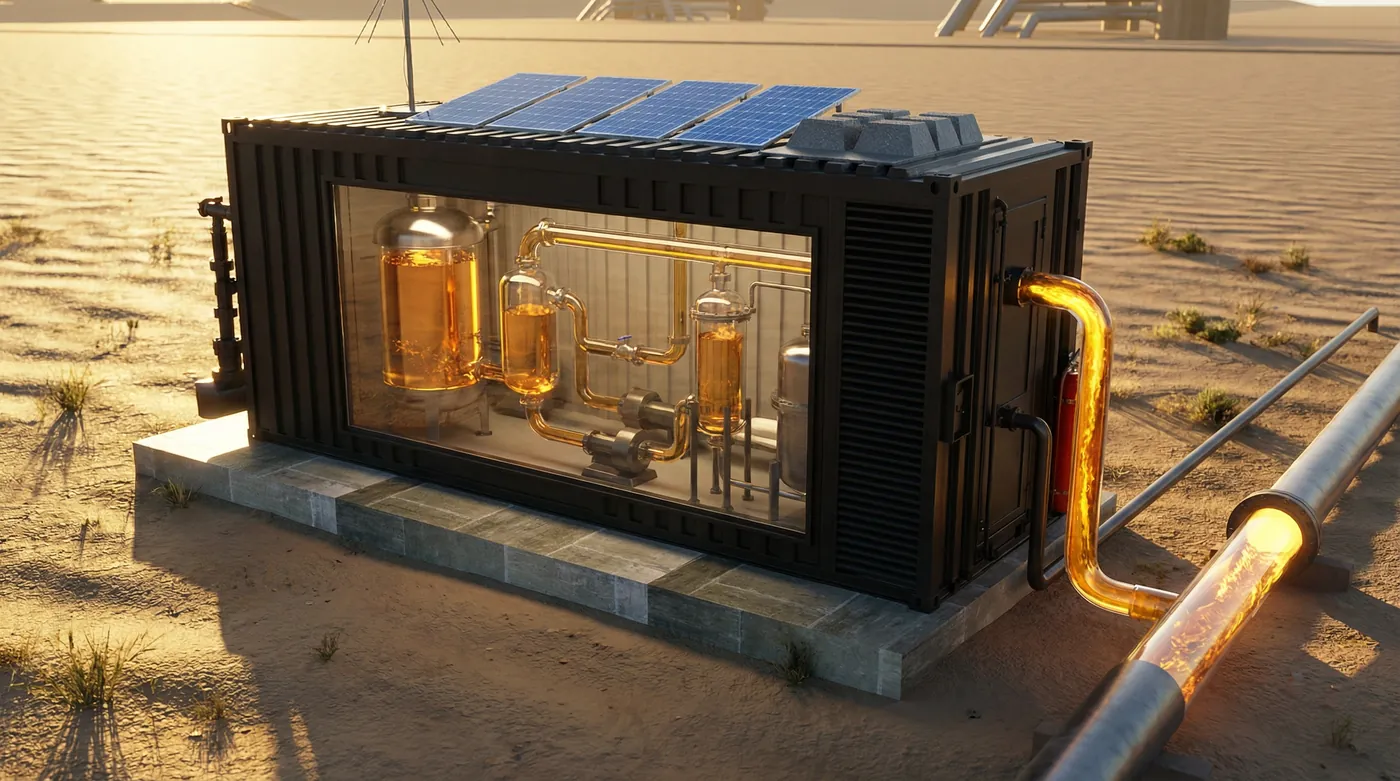
The SERM-GC is a complete gathering centre in miniature, about the size of a load truck. It is designed to separate oil, gas and water at each well.
Circle Pipeline (the Oil-Grid)
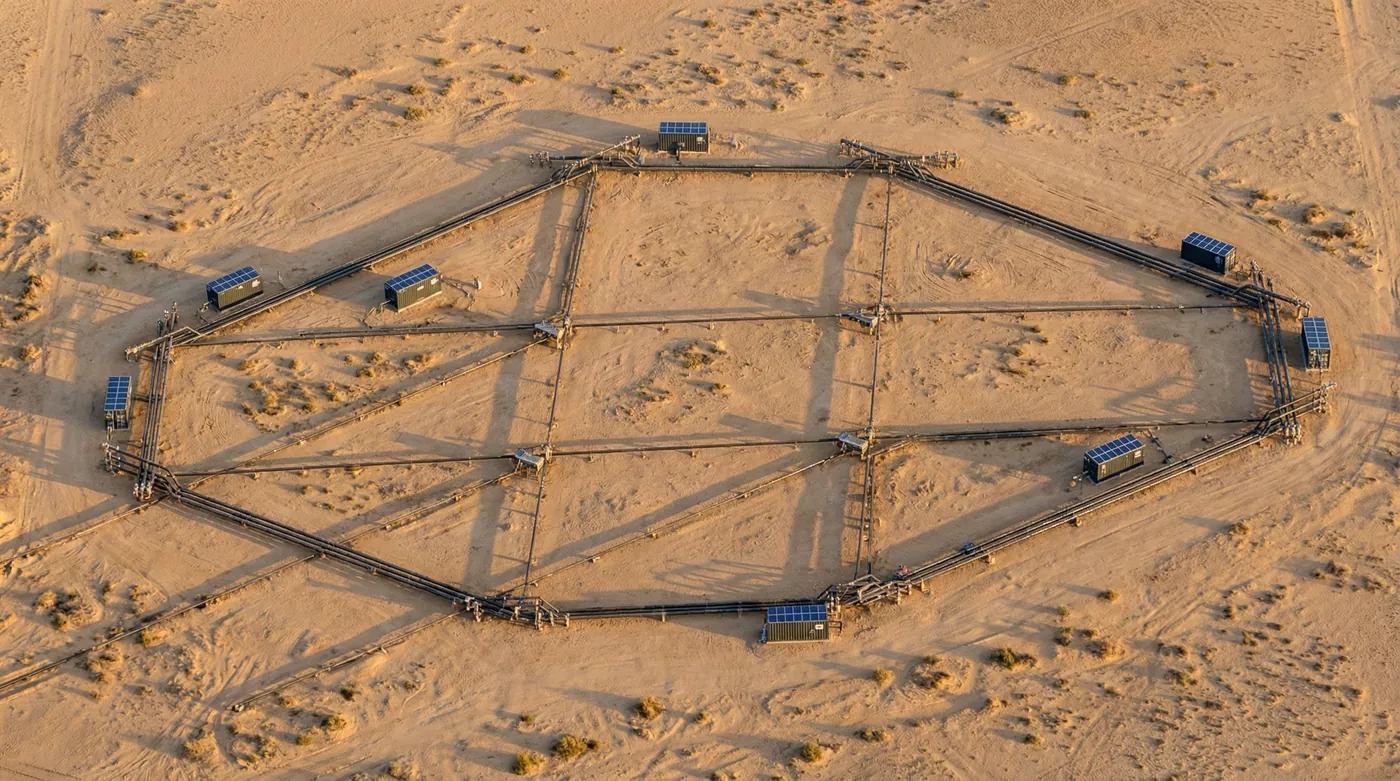
The CL Unit is a buried ring that joins every SERM-GC, with three lines for oil, gas and water. Product is designed to travel either way around the ring. The ring is designed to hold it, so no storage tank is needed.
AI Control Station
The AI-CS is the control station at the centre of the field. It is designed to monitor, predict and optimise the field around the clock. Each unit is designed to carry its own local AI, which reports to the AI-CS.
Product Dispatch Station
The DS is where the finished product leaves the grid. It is designed to treat and meter the crude before custody transfer, when ownership passes to the buyer. It holds no storage tanks.
All four are joined under the Smart Field, the project’s governing intelligence.
A battery limit marks where a scope of work starts and ends. The scope of Global Grid Alpha Corporation Limited (GGC-ALPHA) runs from the wellhead to the customer’s intake.
Produced water, which comes up with the oil, is designed to be separated at each well. It is designed to travel on the ring’s water line to the DS, and on to re-injection or treatment. The regulatory obligations for its treatment and disposal remain, and are specific to each field.
Eng. Mubarak Taher is THE OIL GRID’s sole inventor. He joined Kuwait Oil Company as a process engineer in 1996. In his first months, he saw the same problems in every production plan in front of him. The idea of the grid dates from late that year.
In 1997, he began work on one complete answer to those problems. By 2006, the outline of one integrated system had taken shape.
US Patent 9,334,722 B1 was granted on 10 May 2016. Kuwait International Bank honoured the work, and the Kuwait Excellence Award followed. In 2020, after twenty-four years, he retired early from Kuwait Oil Company.
On 18 May 2023, Eng. Mubarak Taher incorporated Global Grid Alpha Corporation Limited in Dublin, Ireland. It was formed to carry THE OIL GRID from the patent to the field. He is its Founder and CEO.
THE OIL GRID is engineered and patented. No installation has yet been built, at prototype or commercial scale. The Company is in its foundation phase.
Next comes the one-time design stage: full engineering and manufacturing design, prototype testing, certification and licensing. The first standard units are then planned to be manufactured, ready for the first customer.

Start a Confidential Conversation
This page tells the story. If you want the numbers and documents behind it, your portal tier gives you exactly that — from a one-page fact sheet to detailed briefing documents, matched to who you are.
OIL GRID · BENEFITS WIRE
FASTER DEPLOYMENT 60–75% · LOWER CAPEX UP TO 70% · LOWER ENERGY UP TO 80% · DOWNTIME LOSS UP TO 90% · PROCESS SIMULATION RESULTS · NOT REAL OR MEASURED FIGURES
The Conventional PROJECT
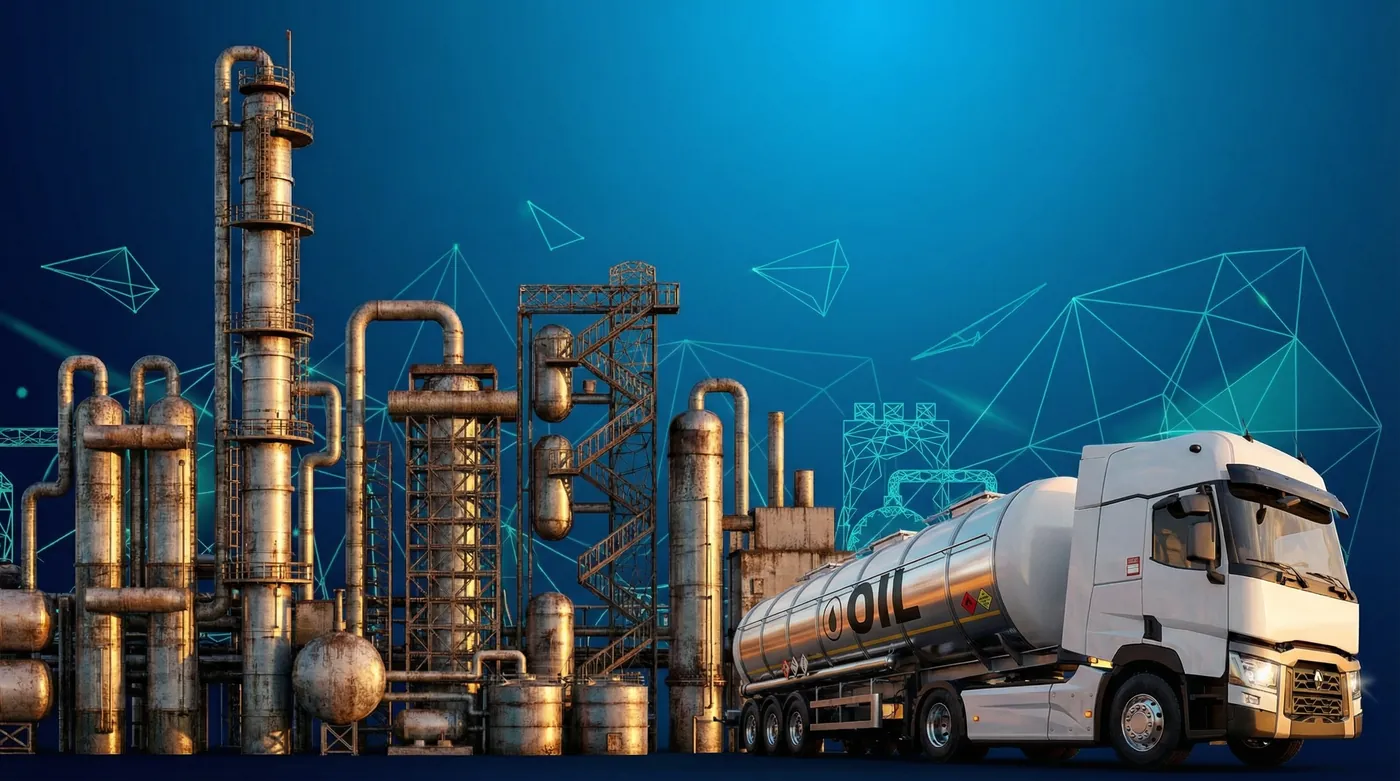
Conventional production still leans on a single, centralised gathering centre built to handle an entire field — a fixed plant that takes years to design, permit and build, with every barrel routed through one location before it can move anywhere else.
Protecting that plant from over-pressure has traditionally meant flaring — burning off excess gas around the clock, in full view, for the life of the field. It's capital concentrated in one place, environmental exposure regulators and communities notice, and years added between discovery and first revenue.
One plant to build. One plant to defend. One plant that, if it stops, stops everything behind it — and everyone counting on it.
THE OIL GRID
Small SERM-GC units sit directly at the wells instead of one distant plant. The CL Unit — the circle pipeline that is the Oil-Grid — connects them in a closed ring rather than a single pipe, so product is designed to keep moving even if one segment goes offline, and new wells join the ring instead of waiting for the next plant.
Schematic for illustration; not to scale. No Oil Grid installation has yet been built.
The Full System
Three of them handle the product — gathering it, moving it, dispatching it. One of them, AI-CS, thinks for all of them — and answers to Smart Field, the governing intelligence of the whole project.
SERM-GC
Not an early-production separator skid — a complete gathering centre in miniature. It acts like a full, normal gathering centre — just mini-sized, and it comes to the well instead of the other way around, usually one unit per well. We call it the "Contained Black Box": the size of a load truck, easy to move and install, with its own fire and explosion protection built in — deployed in numbers at the wellheads, not as one giant plant years away.
CL Unit
The closed, underground ring that links every SERM-GC together and gives the project its name — three lines in one trench, for oil, gas and water. Product can move in either direction, so an outage in one segment is designed to be bypassed rather than shut the field down, and the loop itself doubles as a buffer reservoir — the design has no tanks.
AI-CS
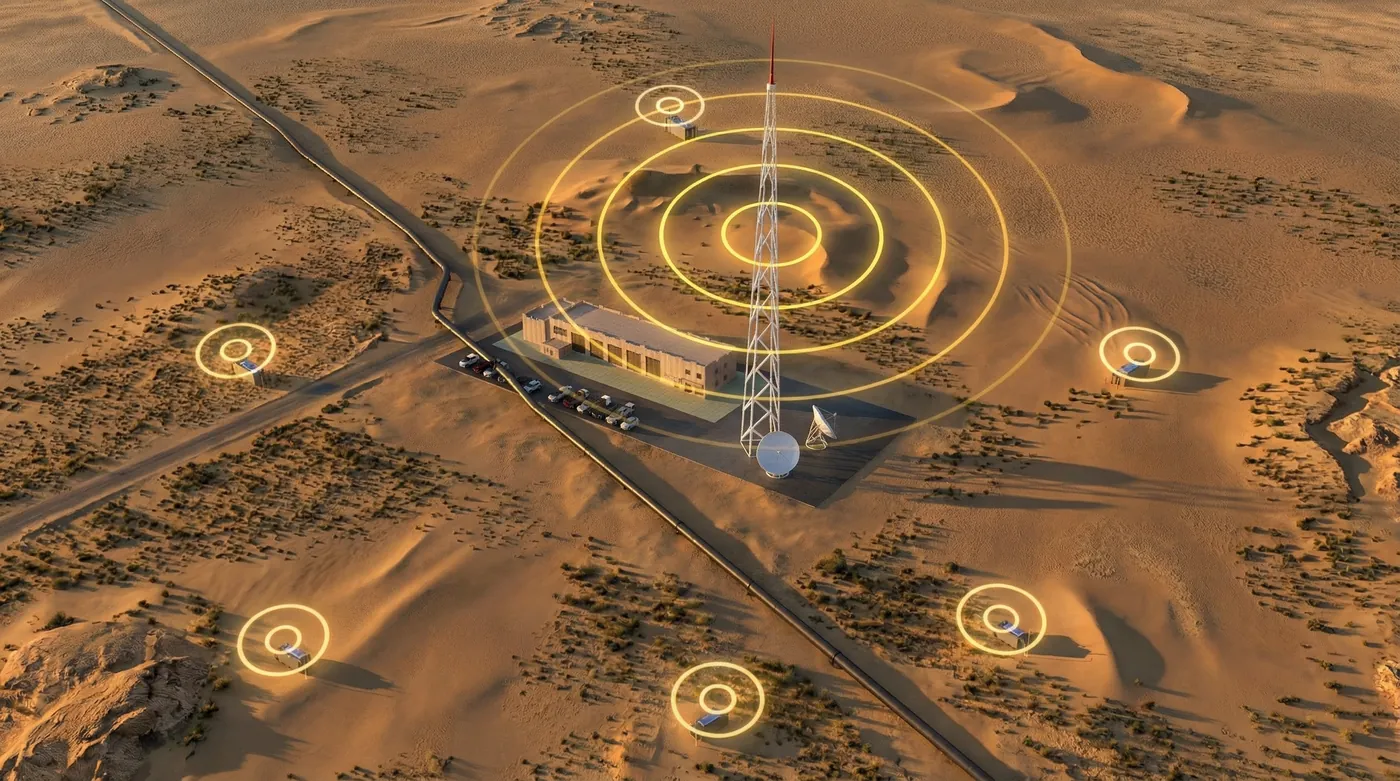
The central intelligence of the grid. Every unit carries its own local AI that reports to AI-CS and takes its instructions from it — real-time monitoring, prediction, optimisation and automatic response, day and night, so people are kept out of hazardous conditions rather than stationed inside them. AI-CS itself operates under Smart Field, the governing intelligence of the whole project.
DS
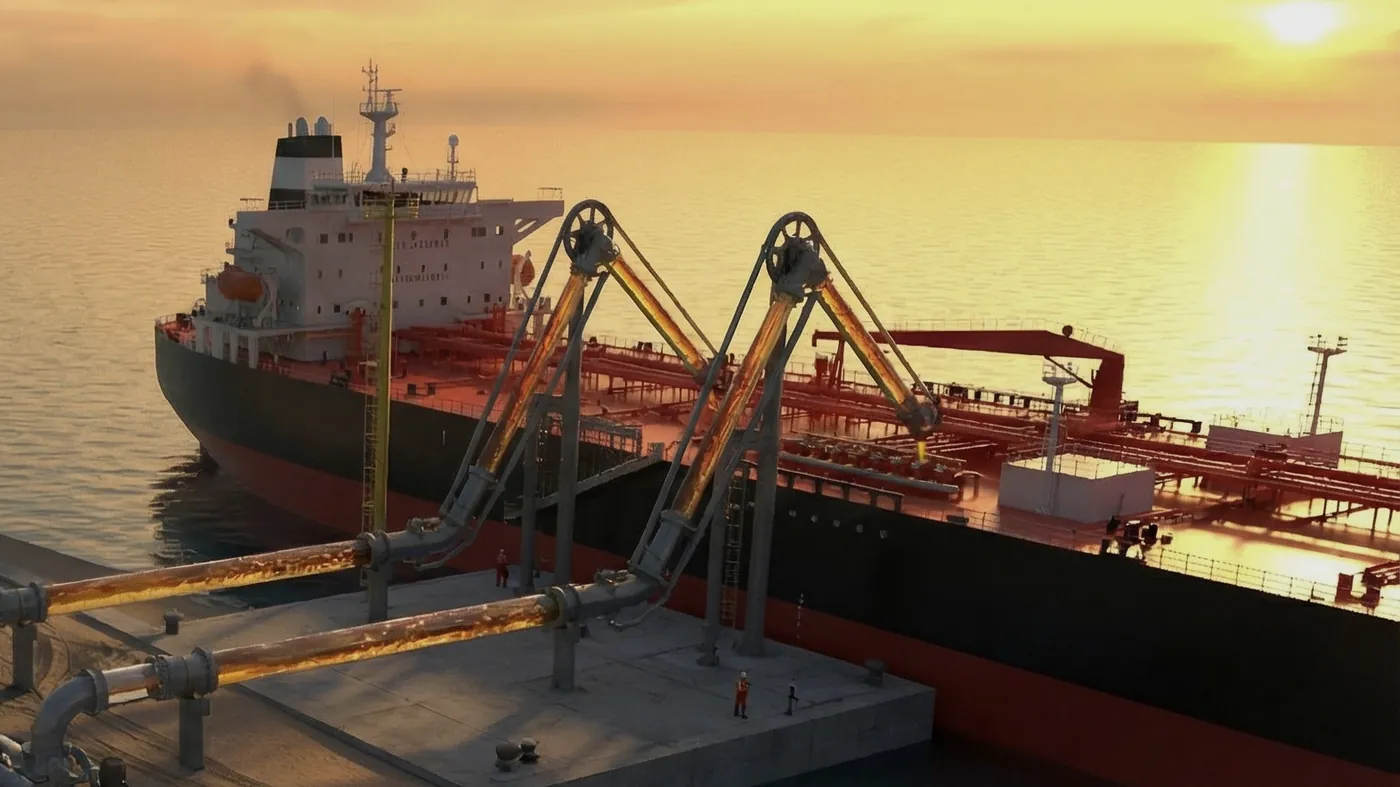
Where the finished product leaves the grid. Set at the low point of the ring, the DS recovers any remaining impurities, upgrades the crude to the customer's specification, heats it where needed, and pumps oil and gas straight to refineries, trunklines and customers — and the water to re-injection or treatment — with smart metering, intelligent sensors and custody transfer built in, so ownership changes hands as cleanly as the product does.
Engineered Benefits
Engineered benefits, grounded in a defined reference case. The figures below show where THE OIL GRID is designed to reduce capital exposure, accelerate first revenue and shrink the footprint of field development. Each result is a process-simulation estimate, not a measured outcome; open any tile to see the basis behind it.
60–75%
faster deployment
Process-simulation result · Greenfield reference case · Not a real or measured figure
Up to70%
lower CAPEX
Process-simulation result · Greenfield reference case · Not a real or measured figure
Up to70%
lower OPEX
Process-simulation result · Greenfield reference case · Not a real or measured figure
Up to80%
energy consumption
Process-simulation result · Greenfield reference case · Not a real or measured figure
Up to60%
smaller footprint
Process-simulation result · Greenfield reference case · Not a real or measured figure
Up to90%
production lost to downtime
Process-simulation result · Greenfield reference case · Not a real or measured figure
1/3
design-to-implementation cycle — typically 1–2 years
Process-simulation result · Greenfield reference case · Not a real or measured figure
100%
HSE compliant
24/7
intelligent AI control
Any well
high, medium or low pressure, any crude type
Secured
against theft or destruction, by design
0
surface tanks
All percentages are "up to" values — upper-bound results of process simulation and engineering calculation from assumed inputs and operational experience — not real or measured figures. No Oil Grid installation has yet been built. They are illustrative and have not been independently audited or validated through a completed project. They are calculated on a virgin (greenfield) field with no existing supporting utilities — no electrical substation, access roads, or gas and water supply; the advantage narrows where such infrastructure already exists, and actual results vary by site. THE OIL GRID is engineered and patented; next comes the one-time design stage — full engineering and manufacturing design, prototype testing, certification and licensing — then the first standard units are manufactured, ready for the first customer.
The Story
THE OIL GRID wasn't shaped in a pitch deck. It came from an engineer whose ideas were already being adopted across the industry — and who spent more than two decades inside Kuwait Oil Company watching exactly where centralised gathering infrastructure breaks down.
He was winning science awards through his school years and joined the Kuwait Science Club at eleven, the point he calls the boost of his life. Before he had finished school he was training under recognised scientists at the Kuwait Institute for Scientific Research in the basics of engineering and the fundamentals of AI. After a B.Eng. (Honours) in Chemical and Process Engineering at Newcastle University, he joined Kuwait Oil Company as a process engineer in 1996 — and within a year had concluded that the way the industry gathers oil and gas needed to be rebuilt from the ground up.
From 1997 to 2006 he worked towards one complete answer to those shortfalls, checking each idea against the field as he went. His idea for real-time field data over Wi-Fi and WiMAX was, in his account, adopted across the industry worldwide. An asset-enhancement programme he started on his own initiative became a portfolio of value-creation projects. His troubleshooting rescued an existing project at the NK field and the newly built SEK field. He developed a remote-sensing method that maps a field's surface and underground facilities in three dimensions — and a way to turn the heat energy of oil wells into electricity.
Every one of those ideas came from a problem he met in the field: project size, implementation time, cost, HSE, security, wasted energy, product allocation, expansion. THE OIL GRID is what they add up to — ten years of learning, constructing and testing, shaped into one integrated system by 2006, granted a US patent in 2016, and still being refined today alongside his newest work in production and crude-oil enhancement.

Eng. Mubarak Taher
Inventor of THE OIL GRID · Founder, Global Grid Alpha Corporation
US 9,334,722 B1
Patented in 2016. Continuously refined since — today's SERM-GC has no flare system and no tanks.
Public patent recordTimeline
COMPANY BUSINESS STAGE
Where we are. The invention is patented, and the Company is established. We are now in the third stage: expanding Global Grid Alpha so that it is ready to serve its first customers. We are looking for one of four paths, or several together — a joint venture or alliance, a strategic capital partner, government participation, or an international oil company taking the programme forward. We invite governments, national oil companies, international oil companies and strategic partners to start a confidential conversation.
Nothing on this website is an offer of securities.

Partnership routes
GOV
Sovereign energy programmes looking to bring stranded or marginal fields online faster, with a smaller environmental footprint and less capital locked into fixed infrastructure — energy security on a schedule you control.
NOC · IOC
Operators evaluating a modular alternative to centralised gathering infrastructure — for stranded, marginal or fast-track fields where a multi-year plant isn't the answer.
EPC
Front-End Engineering, Detail Engineering and manufacturing partners ready to take THE OIL GRID from a granted patent to the first project and on to fielded units — and grow with a programme built to scale in numbers, not one plant at a time.


